When I left the Women Emerging expedition, I thought I’d return with a clearer picture of how I wanted to lead. I expected to feel more confident, more certain, maybe even transformed.
Looking back, none of those things happened overnight.
If you had asked me immediately after the expedition how it had changed me, I probably wouldn’t have had a clear answer. I returned to work, picked up where I had left off, and life quickly settled back into its usual rhythm. Looking back now, I don’t think the expedition transformed me overnight. What it changed was much quieter, and I only recognised that change over time.
Leading Doesn’t Switch On at Work
One of the ideas that stayed with me was that leadership isn’t something we switch on when we arrive at work. Our personal experiences, values and emotions all shape how we lead, whether we realise it or not. Before the expedition, I hadn’t thought about leadership in that way. I saw leadership as something built through skills, experience and confidence.
The expedition challenged that thinking.
I realised that understanding yourself is just as important as developing how you lead. We don’t stop being daughters, friends, partners or people carrying personal experiences the moment we step into work. Those experiences influence how we communicate, how we respond under pressure and how we connect with others. Trying to suppress parts of ourselves or believing we need to separate our personal and professional selves doesn’t necessarily make us better leaders. In my experience, it can make it harder to genuinely understand the people we work with.
Asking a Different Question
A year later, I don’t think leadership is about becoming more confident. Confidence comes and goes. Some days I feel certain in my decisions, and other days I still question myself.
A challenging experience reinforced that for me. I found myself supporting someone who was struggling in their role, and despite my efforts to adapt my approach and provide support, things didn’t work out the way I had hoped.
For a long time, I viewed that experience as a failure on my part.
Eventually, I realised I was asking the wrong question.
Instead of asking, “What did I do wrong?”, I started asking, “What might this person be experiencing that I can’t see?” The expedition had encouraged me to think about how our experiences shape the way we lead. Over time, I realised they also shape the way we learn, communicate and respond to challenges.
That shift didn’t give me an easy solution, but it changed how I approached people.
Instead of assuming I understood what someone needed, I became more intentional about asking questions. Instead of focusing only on the outcome, I paid more attention to how I listened, how I communicated and whether I had created an environment where someone felt supported.
What Actually Changed
Looking back, I don’t think my Essence changed. What changed was my awareness of it. I’ve always been someone who enjoys understanding problems, listening carefully and supporting others. The difference is that I now recognise those qualities as strengths rather than believing that leading has to look louder or more certain.
I also think my Expression has evolved. I try to lead with more curiosity than assumption and with more empathy than certainty. That doesn’t mean I always get it right, but it has changed the way I show up in my day-to-day work and interactions.
I’ve found that when my actions are aligned with who I am, leading with curiosity, patience and empathy, I feel more energised, even when the outcome isn’t perfect. That alignment matters more to me now than appearing confident or having all the answers.
Better Questions, Not Answers
If I could go back to the version of myself who had just finished the expedition, I wouldn’t tell her that leadership would suddenly feel easier or that self-doubt would disappear. It didn’t.
Instead, I would tell her that understanding yourself isn’t something you do once. It’s something you keep returning to. Every challenge teaches you something new about how you lead, what you value and how you relate to others.
The expedition didn’t give me all the answers. It gave me better questions. I haven’t answered all of them yet, but I’m still asking them, and I think that’s an important part of leading.
About the Author:
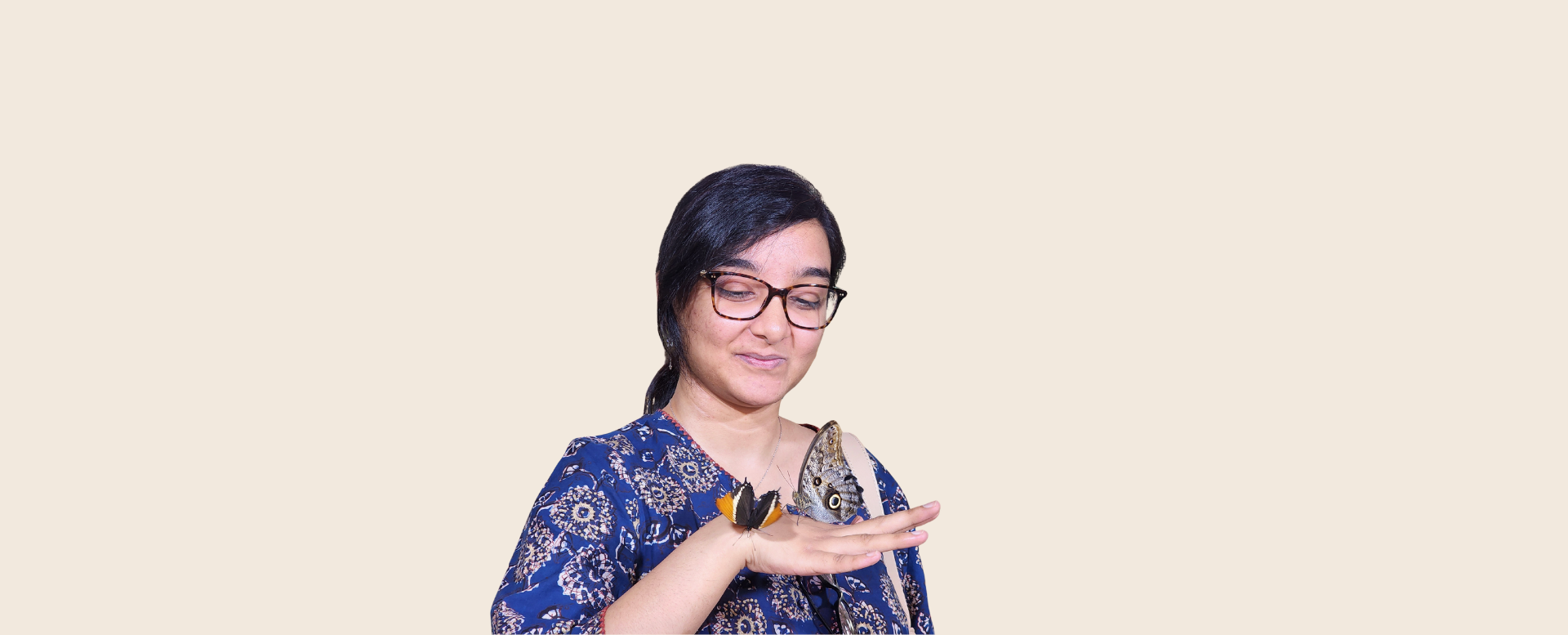
Megna Rajagopal is a Clean Energy Market Research Analyst II at Solarabic, working on renewable energy and energy storage markets across the MENA region. With over five years of experience in solar, sustainability, and market research, she is interested in how emerging technologies and new ideas can help shape a cleaner energy future. She is also a WE Fellow.
She is also passionate about creating more opportunities for women in the energy sector. Through mentoring and knowledge-sharing, Megna hopes to support and encourage more women to build careers, grow their voices, and take on leadership roles in the industry.