When The Devil Wears Prada first came out, many people viewed Miranda Priestly as the ultimate example of toxic workplace culture. She was cold, demanding, emotionally distant, and impossible to please. But over time, conversations around the film have shifted. Some people now see her differently: as a woman operating in an unforgiving world, deeply committed to excellence and carrying enormous pressure.
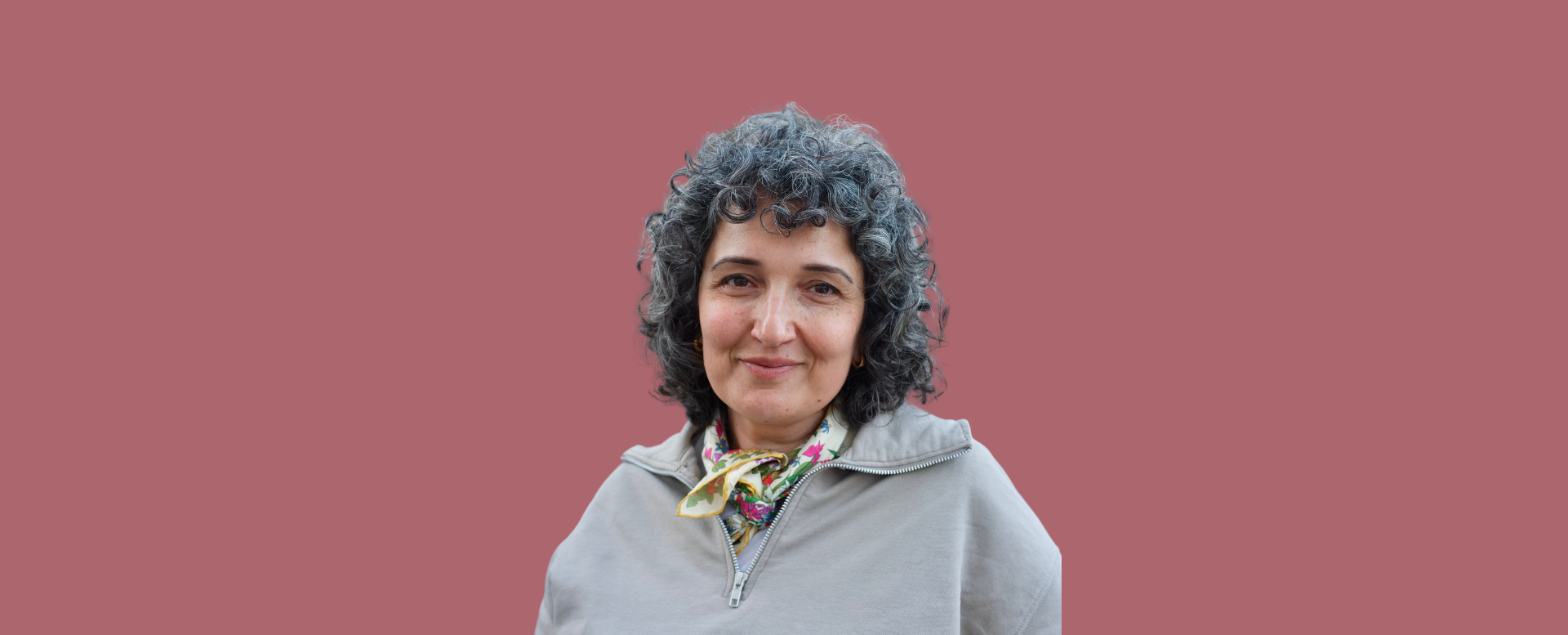
In this Women Emerging conversation, Julia Middleton speaks with Öznur Gökmen about whether Miranda’s approach to excellence still makes sense today and what modern workplaces are now demanding instead. Öznur is a design and research leader with 20 years of experience working across healthcare, life sciences, and technology.
The episode addresses a larger question; can fear-based excellence still survive in workplaces shaped by emotional intelligence, trust, and psychological safety?
Excellence Without Psychological Safety Creates Burnout
One of the strongest themes in the episode is that fear can produce results in the short term, but it rarely creates sustainable excellence.
Öznur reflects on her early career working inside a demanding London design agency during the same era in which The Devil Wears Prada was released. Long hours, relentless pressure, perfectionism, and obsessive attention to detail were normalised. Everyone worked towards excellence, but often at enormous personal cost.
As she explains, environments driven by fear eventually erode creativity and trust. When people become afraid of mistakes, they stop experimenting, stop contributing fully, and begin protecting themselves rather than producing their best work. Psychological safety becomes essential because creativity depends on people feeling safe enough to think, question, and contribute openly.
The conversation challenges the assumption that harshness automatically produces excellence. Instead, it suggests that fear may actually narrow talent rather than expand it.
Miranda Priestly Reflected a Different Era of Work
The episode also recognises that Miranda Priestly emerged from a very specific cultural moment.
Öznur points out that twenty years ago, command-and-control management styles were far more accepted, especially in high-pressure industries obsessed with performance and prestige. Excellence was often associated with toughness, emotional distance, and relentless endurance.
She also highlights the gendered dimension of Miranda’s character. Male bosses behaving similarly were often accepted as demanding or visionary, while women displaying the same behaviours were judged more harshly. Miranda unsettled audiences partly because she rejected expectations of warmth, softness, and maternal behaviour.
But workplaces have shifted significantly since then. Younger generations increasingly prioritise boundaries, flexibility, emotional wellbeing, and personal growth alongside professional ambition. The conversation suggests that many talented people today would simply refuse to stay in environments built entirely on fear and exhaustion.
Leading With Emotional Intelligence Builds Stronger Teams
A major contrast throughout the episode is the difference between controlling teams and trusting them.
Öznur describes an early manager who constantly hovered over employees, directing every tiny detail of their work late into the night. Although the intention was excellence, the result was stress, mistrust, and a lack of creativity. People became extensions of the manager rather than contributors with ideas of their own.
That experience fundamentally shaped how she now works with teams.
Rather than controlling every outcome, she focuses on creating environments where people feel trusted, heard, and safe enough to contribute fully. She explains that the strongest teams are often the ones where even the quietest people feel able to speak openly and bring their ideas into the room.
The conversation reframes leadership as less about driving performance through pressure and more about creating ecosystems where people can thrive together.
Empathy and High Standards Can Exist Together
One of the most practical parts of the conversation focuses on balancing empathy with accountability.
Öznur acknowledges that caring deeply about people does not mean lowering standards. Instead, it means being clear about expectations while also helping people understand how to meet them.
Rather than removing struggling employees immediately, she advocates for honest conversations that clarify expectations, identify obstacles, and explore what support might be needed. She recalls one difficult performance conversation where the employee later thanked her because, for the first time, they clearly understood what success looked like and how to move towards it.
The episode argues that empathy is not the opposite of excellence. In many cases, empathy creates the clarity and trust necessary for excellence to become possible.
Trust and Humanity Matter More Than Control
Another striking theme in the episode is the importance of treating people as human beings first.
Öznur explains that one of the first things she does with new team members is spend time understanding their life story, motivations, ambitions, and personal goals beyond their job title.
This approach became even more important after Covid blurred the boundaries between personal and professional life. The conversation reflects on how workplaces can no longer pretend people leave their personal struggles at the door. Illness, caregiving, grief, stress, and uncertainty all shape how people show up at work.
Rather than seeing humanity as a distraction from performance, the episode suggests it is central to building trust, resilience, and long-term collaboration.
Modern Excellence Requires Stability, Not Fear
Towards the end of the episode, Julia and Öznur discuss the emotional responsibility that comes with leading teams.
Öznur describes the importance of becoming a “stable presence” during uncertainty. People look to those around them for emotional signals about whether situations are manageable or threatening. Remaining calm, transparent, and grounded can shape how entire teams respond during pressure or instability.
This does not mean pretending everything is perfect. It means creating confidence without spreading panic.
The episode ultimately suggests that excellence today may look very different from Miranda Priestly’s version of it. Modern workplaces still value ambition, discipline, and high standards, but increasingly reject environments built on fear, silence, and emotional exhaustion.
As Öznur puts it near the end of the conversation:
“I don’t want to be on the receiving end of a Miranda, and I don’t want to be Miranda to somebody else.”
That line perhaps captures the shift most clearly of all.
About the Guest
Öznur is a design and research leader with 20 years of experience in the field, working in complex industries like healthcare, life sciences and technology.
A champion of cross-disciplinary collaboration and psychological safety, she leads her teams and her organisations towards delivering better services to their users. She is also a trained horticulturist and a garden designer, and enjoys bringing gardening metaphors to her work as much as possible.
Öznur is currently heading up design at Isomorphic Labs, and she previously held similar roles at Genomics England, DeepMind and Google.