In the early stages of my Women Emerging’s Expedition for Students in Higher Education, we discussed leading through the Four E’s, specifically Essence. Reflecting on my own experience and what I wanted to reframe, one area of tension stuck with me: finding the right balance between inclusivity and setting boundaries.
A few years ago, I led and mentored a team of first-year students. Most of them were only a little younger than me, and I wanted them to feel that in the way that I led. I didn’t want to be the kind of leader who gives instructions from a distance, I wanted to act like an older sibling rather than solely a figure of authority. So I was generous with my time. I made myself easy to approach, easy to text, easy to disagree with and overall very understanding. I thought that was what inclusive leadership looked like.
It didn’t take long for me to notice the cost of this inclusiveness. When I was warm and unstructured, deadlines slipped and my authority was questioned, because I had made myself into an extra member of the group rather than the person leading it. When I tried to course-correct by being firmer, I had the sense that “stricter me” was somehow a less likeable version. I was constantly switching between two roles, and performing neither to a high degree. Inclusiveness, I realised, was costing me my authority, but when I went to set boundaries, it was costing me my inclusiveness.
Choosing Between Being Liked and Leading Well
I now recognize this as one of the most common traps in leadership, and an especially familiar one for women. We are often raised to read the room, to sense what others need from us and adjust ourselves to meet it. That instinct can make us extraordinary collaborators but it can also quietly erode our ability to lead.
During that week as a first year tutor, a mentor gave me a piece of advice that changed the way I lead: “never interpret your audience.” At the time, I took it to mean I should stop trying to manage how each person might react to a decision before I’d even made it. I was so focused on staying likeable that I’d stopped asking whether I was leading effectively. Those are not the same question, and I’d been quietly trading one for the other.
Boundaries and Inclusivity are not Opposing Forces
It’s tempting to treat inclusiveness and boundaries as a strict trade-off where more of one always means less of the other. I don’t think that’s true. What I’d actually built, in trying to be endlessly open, wasn’t an inclusive team but an unclear one. Nobody knew where they stood, what was expected, or what would happen if expectations weren’t met.
When I started setting boundaries, clearer deadlines, clearer consequences, a clearer sense of when I was speaking as a peer and when I was speaking as a lead, the team didn’t pull away or resent me. Decisions got easier to make and easier to accept, because everyone understood the dynamics of the space that we were all working in. The boundary wasn’t a wall keeping people out, but rather a structure that let people actually come in and contribute, instead of constantly negotiating where the line was.
What This Means for the Way We Lead
I think that the key lesson I learnt from this experience is that boundaries are what make inclusion sustainable. Without them, inclusiveness becomes formless, and the people most affected are often the ones with the least power to push back. In my case, this was the students who were new, unsure of themselves, and looking to me for a sense of how things worked.
This is, I think, a particularly important lesson for women leading today. Many of us have been taught that our value lies in our availability, our warmth, our willingness to be flexible and accommodating. A leader who is endlessly accommodating cannot, in the end, be consistently trusted, because no one knows what to expect from her. A leader who is clear about her limits gives others something steady to stand on.
I no longer think of inclusiveness and boundaries as two ends of a scale, where moving toward one means giving up the other. I think of boundaries as the thing that makes real inclusion possible, because a space without edges isn’t actually open to everyone. It just quietly belongs to whoever is willing to push hardest. The question I’d leave other women with is not how to balance being liked and being respected: it’s whether you’re leading the room, or still trying to read it.
About the Author
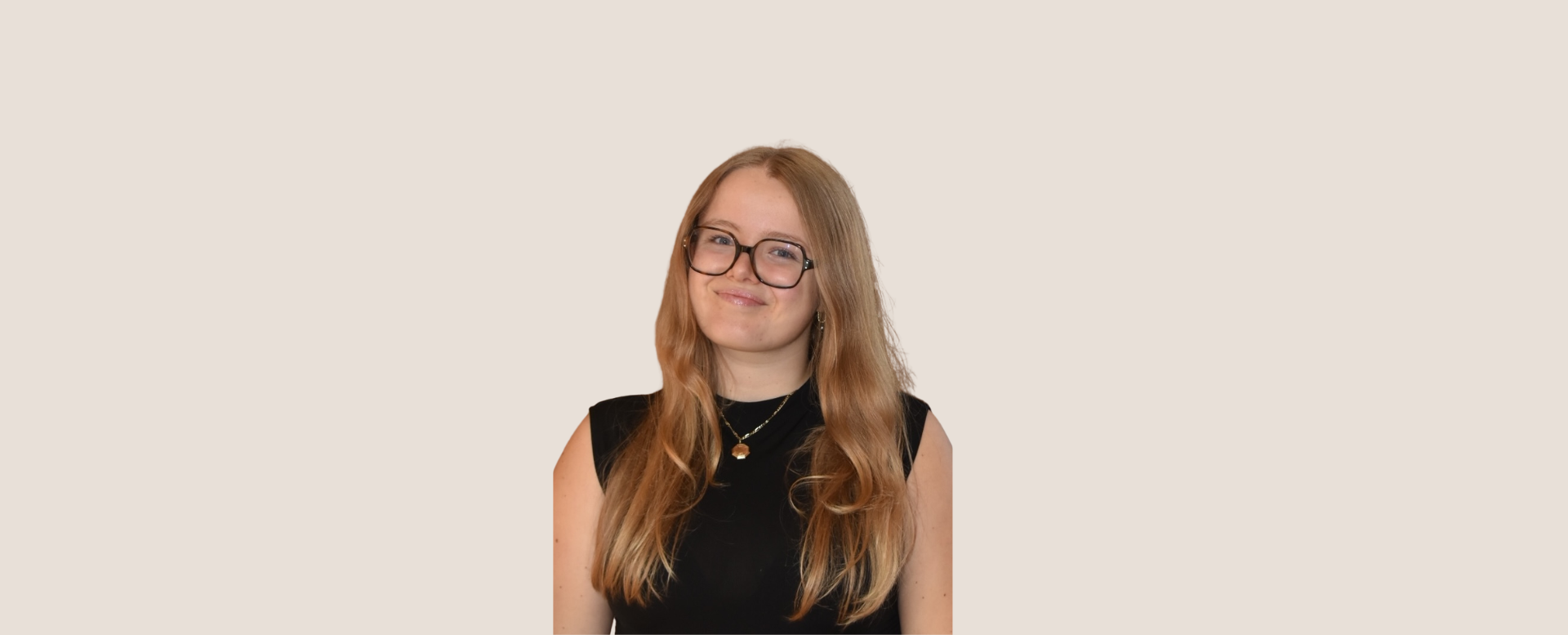
Mia Horler is a final year undergraduate student studying Business & Informatics in Switzerland. I have held various leadership positions within academic and sports clubs over the years. She is currently an Explorer on the Women Emerging Students in Higher Education Expedition.