I grew up in Orlando East, Soweto, during apartheid in South Africa. Strength was not a choice for us. It was issued to us, like a uniform, before we were old enough to understand why we needed it.
I remember the riots as a young child. I remember running because someone, somewhere, had shouted something, and that was enough for the soldiers to come chasing through the streets where we were playing. Tear gas and rubber bullets would be shot at us, and we would have to jump fences to get to a place of safety. They did not care that we were children. I remember families who simply disappeared without a trace, and the fear that sat under everything, all the time, like a second skin.
When the political violence eased, something else moved in to fill the space in the 80s. Orlando East became home to Makabasa (KBS), the most feared gang in the area. So the fear didn’t end. It just changed shape. From the age of six until I was eighteen, I grew up inside that. Underneath all of it, from far earlier, when I was just four years old, there was something else I was carrying too, something I didn’t yet have words for and wouldn’t for decades.
In a childhood like that, you learn quickly that softness is not safe. You learn to hold your face still. You learn to keep walking. Strength is what gets you through the day, and then the next day, and the one after that.
Strength as instinct
By the time I reached my twenties, I was already in leadership roles. The strength I had developed to survive became the very skill that made me a leader. I didn’t see it as a deliberate strategy. It was simply how I moved through the world. Calm. Confident. Apparently unshaken, or at least steady enough that no one could see the cracks. I led in the same way I had grown up. Standing tall and in control, no matter what was going on around me. It worked. People relied on that steadiness. I did too. For years, it never occurred to me that there might be any other way to lead, because I had never needed one.
When strength wasn’t enough
Then I turned forty, and everything I had pushed down for decades came up at once. The fear from childhood. The grief I’d never had time for. The weight of having to be strong before I was old enough to know what that would cost me. I could not simply stand up straighter and push through it, the way I’d done with everything else. For the first time, strength alone didn’t work. I had to sit with what I felt rather than override it, and take time to deal with it.
It cost me the image I had carried for years. I needed to heal, and I needed people, but I was afraid that if people saw parts of me that were still uncertain, still healing, they would stop trusting the parts of me that had always held firm. But people surprised me. When I let them in, they did not pull back. They trusted me more, not less, because they could finally see that the strength was real, carried by someone who had actually felt the weight of it, rather than performed by someone who never had. In the process, I learned to be comfortable with vulnerability. In the beginning, it scared me, and many times I wanted to run away from myself. It took a long while to get to know the woman who suddenly cried at funerals. Step by step I started to embrace her. I needed to redefine what I saw as strength.
What the two together make possible
I used to think strength and vulnerability were opposites, that you had to choose one and defend against the other. In the process of healing, I learned that vulnerability is not a weakness but a powerful weapon that anchors you and steadies you.
This is something that was affirmed through the Women Emerging Expedition, in conversations with other women leading from very different lives and histories. The strength I built in Orlando East helped me keep going. The vulnerability I found in my forties gave me the ability to be trusted, to be known, and to lead alongside people rather than simply lead in front of them.
To the woman who worries vulnerability will undercut her
If you’ve built your leadership on strength, the way I did, I understand the fear that being seen as anything less than solid will be used against you. I lived inside that fear for a long time.
What I’d want you to know is that vulnerability doesn’t undo your strength. It completes it. The people you lead don’t need you to be unbreakable. They need to know that you are real, and that even what is real in you can hold steady. Your strength got you here. Letting yourself be seen is what will let others come with you.
About the Writer
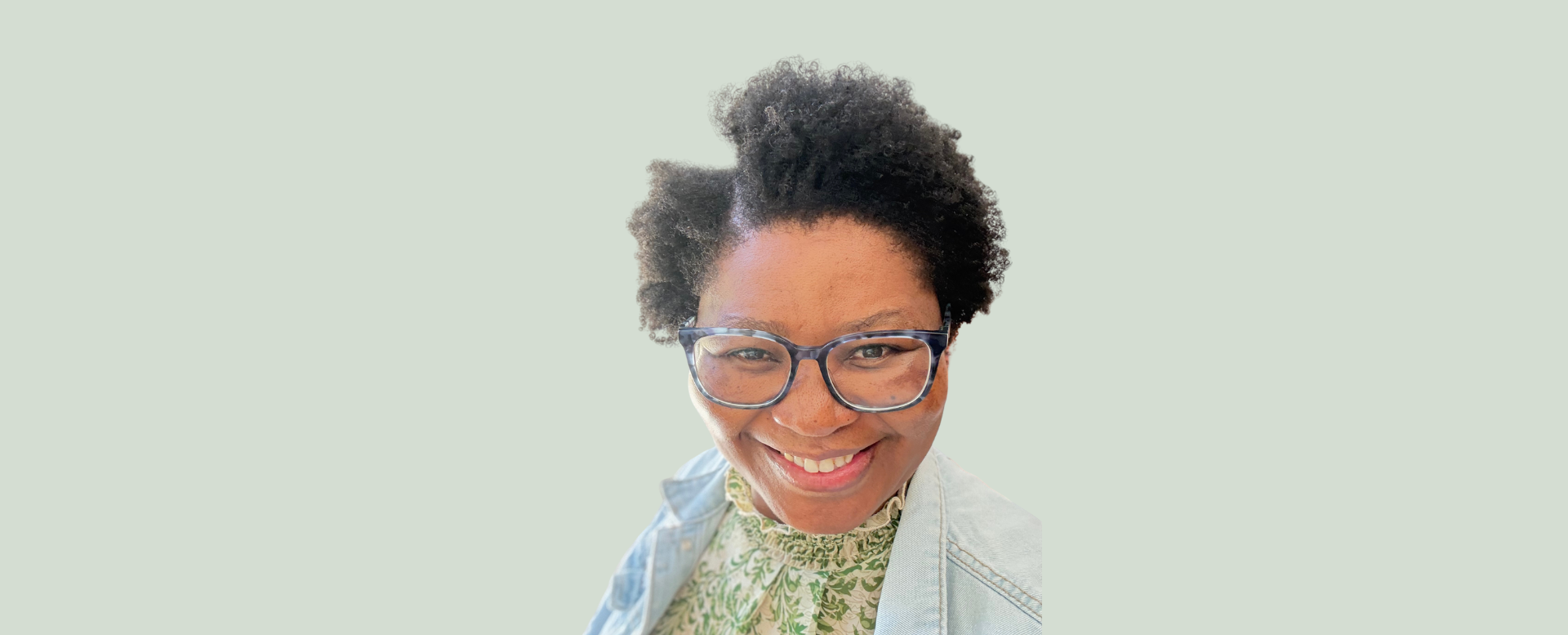
Mashoabathe Noko, widely known as Shoabi, is a human rights advocate and community development practitioner who is committed to advancing social justice and dignity in Africa. As a Youth Rights and Livelihoods Programme Manager at the Foundation for Human Rights, she works closely with communities, civil society organisations, and young people to strengthen human rights awareness and participation. Her activism focuses on empowering communities, promoting children’s rights, and fostering sustainable development through education and grassroots mobilisation. Noko is also an author and editor who believes in the power of storytelling to inspire change and amplify marginalised voices.
Noko is currently pursuing her MBA degree. She has a Bachelor Degree in Creative Writing and a Post Graduate Diploma in Business Administration. She is currently an Explorer on the Expedition for Students in Higher Education.