I come from a place close to water, and through both nature and sport (the body) I learned to explore, take risks, and try new things. This is also the first place I learned how to bounce back and recover from changing circumstances.
In the last couple of years, I’ve learned to free dive in Cape Town’s icy waters and do cold ocean water dips with a group called Melanted Merfolks. The cold is uncomfortable, but it resets you. You can’t rush it. You have to slow down, focus on your breath, and stay present. I’ve come to see it as a way to reset, especially with how demanding sport for social impact work can be.
As a leader, I’ve learned that regulating and grounding myself really matters in how I show up for my team and for myself. For me, that comes through movement (the body) in nature. That’s where I feel most like myself. That’s where I can ground myself to make grounded decisions and hold space for others.
Some days, it’s a run by the beach and a dip in the ocean. Other days, it’s a walk along the promenade or a hike. During COVID, I started a “Monday Hikes” group, and I’ve been doing the same hike every week since. It’s become something I really rely on to reset.
That community still exists today and is now led by someone else. It’s helped create a sense of home for others who connect to this in a similar way. Now, I mostly join when I’m back in Cape Town. I’ve been quite open about this with my teams. It’s also a way of holding myself accountable. If I expect to show up well for others as I lead, I need to show up for myself first. This also gives permission for others to find their hike or ocean dip.
Earlier in my career, I used to feel guilty about this. Like taking time for myself was selfish, or that I always needed to be “on.” That’s taken some unlearning.
What nature has taught me is to slow down and notice things, while still moving. That connection between movement and nature is something I really link to sport and the body. Listening to birds, noticing small changes along the same path over time. Paying attention to what my body is capable of on different days, with different Energy levels.
It sounds simple, but it makes a difference. It helps me be more present in bigger moments. It’s also helped me understand that growth isn’t constant. There are periods where things move, and periods where they don’t. I still default to moving fast, but I’m learning to be a bit more patient with that.
It’s changed how I think about challenges as a leader in sport too. Not everything is linear. Sometimes things stall, sometimes they move quickly. Nature makes that feel normal and familiar.
It’s helped me stay flexible when things don’t go to plan and keep going without forcing it. That’s probably where I’ve learned the most about resilience.
It’s through movement in nature that I get clarity. That’s usually when ideas come, or when things start to make more sense and where I get motivation to keep doing this work in sport and social impact. That connection between movement (the body), nature, and sport is something I carry into how I lead. It’s just part of how I operate.
About the Author
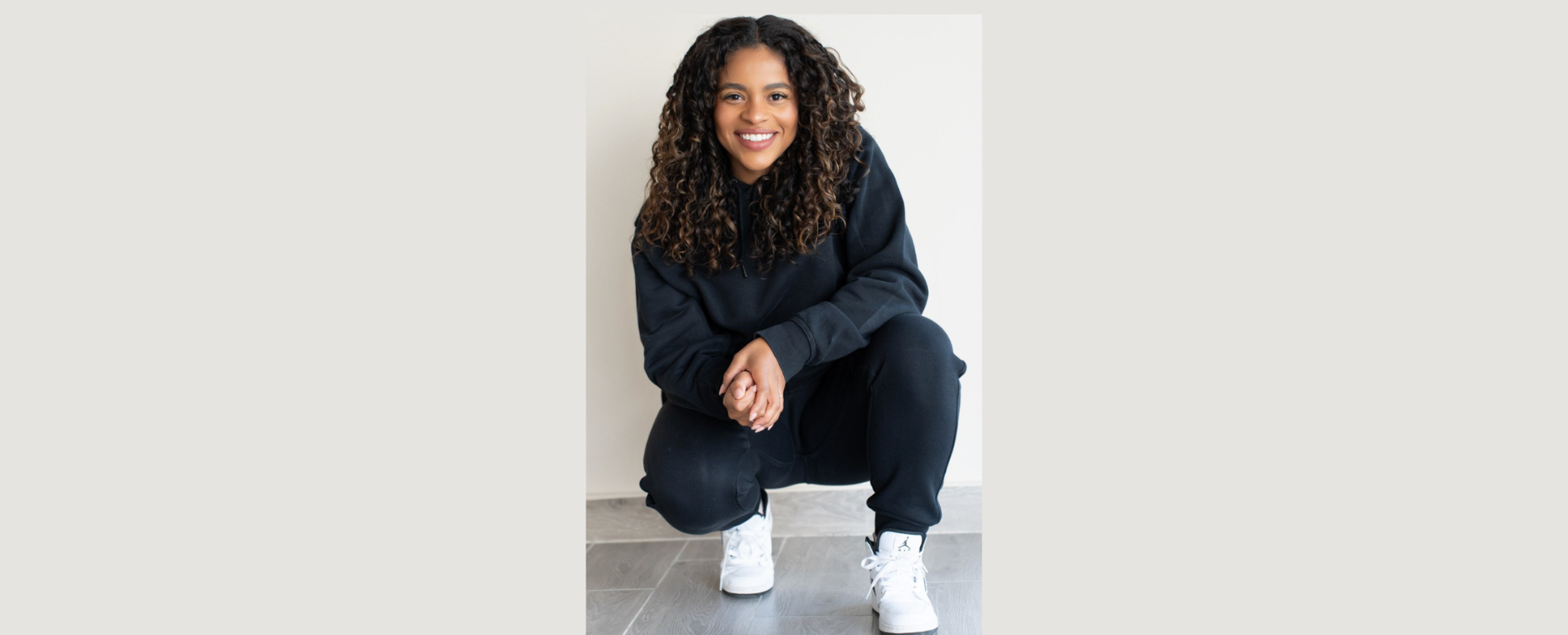
Cyndi Mendoza is a Sport for Development practitioner and Manager of Sport Grants & Projects at Special Olympics International, supporting programs across seven global regions. With experience spanning organizations such as Laureus, Skateistan, and I AM WATER, she specializes in monitoring, evaluation, and strengthening global sport-based initiatives. She is passionate about creating more equitable opportunities for women and girls through sport.





3 Comments
Love this Cyndi! Really relate to nature helping you slow down and notice things
Such an insightful piece Cyndi. As someone who loves nature, this resonated with me deeply.
Such an insightful piece Cyndi.