Every workplace has spoken and unspoken rules. Some are practical, while others are shaped by culture, tradition or expectation. Over time, it can become difficult to tell the difference between adapting to your environment and gradually losing sight of who you are.
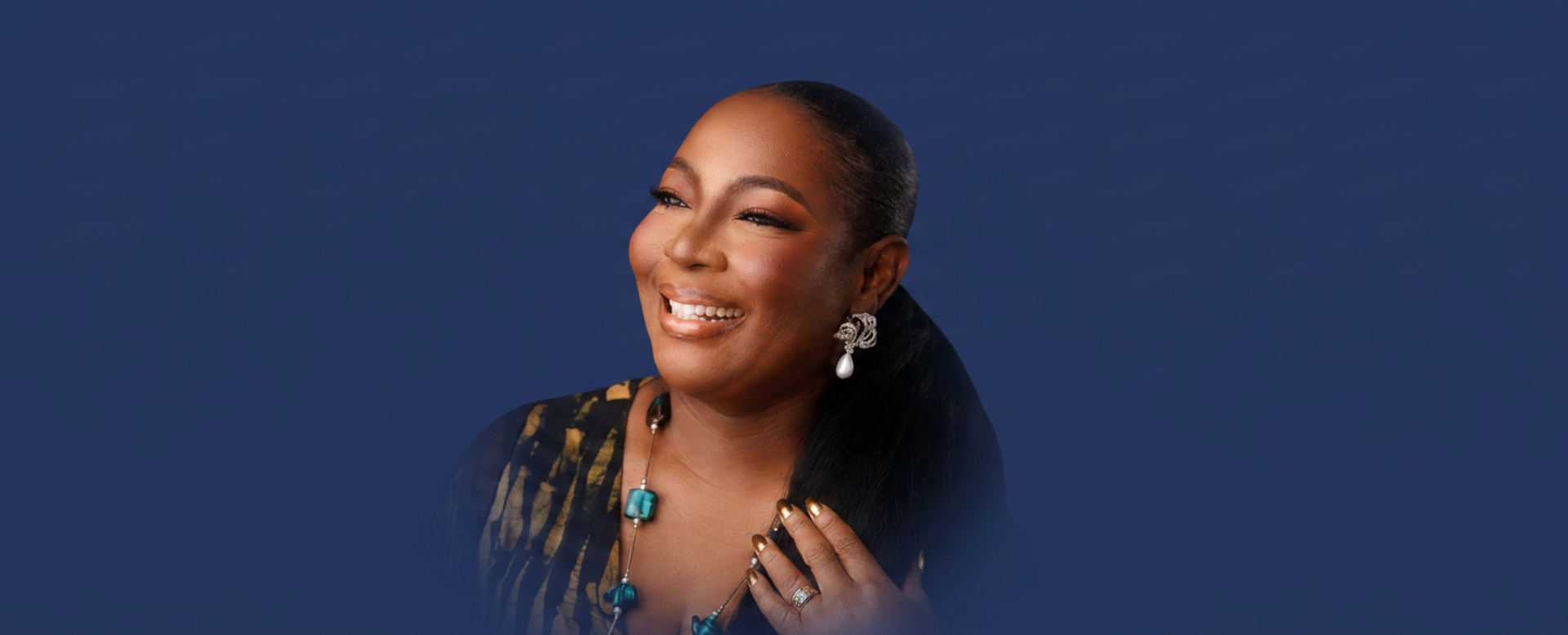
In a conversation between Julia Middleton and Henrietta Bankole-Olusina, clothes become an unexpected way into a much deeper discussion. Beneath the colours, fabrics and dress codes lies a bigger question: how do you remain authentic in environments that encourage everyone to fit the same mould?
Henrietta’s reflections suggest that authenticity isn’t about rejecting every expectation. It’s about knowing what parts of yourself are non-negotiable, even when compromise is necessary.
Here are five ways to stay true to yourself without losing yourself along the way.
1. Remember that authenticity starts on the inside
The easiest way to think about authenticity is through appearance. We often assume that being ourselves means dressing, speaking or behaving exactly as we’d like in every situation.
Henrietta challenges that idea.
For more than twenty years in consulting, banking and financial services, she wore the same dark suits as everyone around her. Black, navy and grey became part of the corporate uniform. Looking back, she admits she was “dressing to fit in” rather than expressing the vibrant colours that reflected her Nigerian heritage. Yet she is equally clear that something important never disappeared.
“My thinking was not in black and white.”
That distinction matters.
There are times when circumstances require us to adapt. Dress codes, organisational cultures or client expectations may shape how we present ourselves externally. But adaptation doesn’t have to mean abandoning the perspectives, experiences and creativity that make us who we are.
Authenticity begins long before anyone notices what we’re wearing. It begins with refusing to let external conformity dictate internal thinking.
2. Find the strengths that only you can bring
Henrietta describes looking for what she calls “islands of advantage.”
Rather than focusing on everything she couldn’t change, she concentrated on the qualities that made her perspective different. Sitting around boardroom tables, she often found conversations centred on targets, performance and financial outcomes. While those discussions mattered, she naturally found herself asking different questions.
How do people experience this?
What kind of culture are we creating?
Why would someone choose to stay here?
She isn’t suggesting that only women think this way, but she recognises that her own experiences led her to see opportunities others sometimes overlooked.
We all have our own islands of advantage. They are the experiences, values and ways of thinking that help us notice things others don’t. The goal isn’t to become identical to the people around us, but to recognise the unique contribution we can make because we aren’t.
3. Adapt to the situation without losing yourself
One of the most practical moments in the conversation comes when Julia asks how much we should conform.
Henrietta’s answer isn’t absolute.
If you’re working with clients who expect formal business attire, dress appropriately. Respect the context. Understand the environment you’re stepping into.
But don’t confuse adapting your appearance with changing who you are.
She explains that for years she couldn’t wear the colours she loved because of corporate expectations. Instead, she found other ways to bring colour into her work—through creative thinking, fresh ideas and a broader perspective on problems.
That distinction feels increasingly relevant today.
Authenticity doesn’t always mean refusing to compromise. Sometimes it means understanding exactly why you’re compromising and making sure the compromise stops at the surface.
4. Look beyond the obvious solution
One of Henrietta’s favourite examples comes from launching a financial services app.
Rather than organising a traditional corporate event, she chose to launch it at a women’s festival. Her team offered free makeovers, manicures and other experiences that naturally attracted people to the stand. While visitors waited, conversations began about financial literacy, investing and the new app.
It wasn’t simply a clever marketing campaign.
It was an example of looking at a challenge through a completely different lens.
Henrietta often describes herself as thinking “in colour” rather than in black and white. For her, colours represent different perspectives. Instead of searching for one right answer, she deliberately considers multiple ways of understanding the same situation before making a decision.
The reminder is simple: when everyone else is approaching a problem in one way, ask yourself what you’re missing by looking through only one lens.
5. Let the rest of your life strengthen you
Towards the end of the conversation, Julia asks what helped Henrietta through the demands of consulting and financial services.
Her answer has nothing to do with work. She talks about family. She talks about faith. She talks about having a supportive husband who made it possible for her to pursue an ambitious career without carrying every responsibility alone. Those parts of her life weren’t distractions from her work. They were what enabled her to keep going.
It’s a reminder that our identity should never rest on one role alone. When one area of life becomes difficult, the other parts of who we are help restore perspective, resilience and balance.
The strongest sense of self comes from recognising that we are always more than our job title.
What Henrietta Leaves Us Thinking About
Henrietta’s conversation reminds us that staying true to ourselves isn’t about rejecting every expectation or refusing to adapt. It’s about knowing what should never be compromised. Here are a few thoughts to take away:
- Authenticity begins with knowing who you are before the world tells you who to be.
- Adapting to your environment doesn’t have to mean losing your identity.
- Your greatest contribution often comes from the perspectives and experiences that make you different.
- Sometimes the most colourful part of you isn’t what people see—it’s how you think.
- Looking at challenges from multiple angles can lead to more thoughtful decisions and more creative solutions.
- The strongest sense of self comes from staying connected to your values, wherever you are and whatever you’re wearing.
If you’d like to explore Henrietta’s reflections in greater depth and hear the stories behind these insights, listen to the full conversation on the Women Emerging Podcast.






One Comment
I truly believe that in our lifestyle we have to be positive in our thinking and in our thoughts and mindset because life is full of ups and down.
We are suppose to be a true example to people in our leadership meaning humanity,purity,humbleness and transparent.