This is a reflection on the experience of being on a Women Emerging expedition, and what it means to be truly witnessed and heard.
There is something deeply stirring in what emerges when women speak with honesty and vulnerability in a collective space—and something equally powerful in the act of being truly heard.
What it means to witness
Witnessing, in its truest sense, is not passive. It asks something of us. To witness another is to hold her experience with a quiet steadiness—both at a distance and yet as if cradled in the palm of your hand. It is to meet what is shared with an unflinching gaze, without the urge to fix, reframe, or make it more comfortable for us. And to be witnessed is to feel one’s inner life received by someone who stayed, who did not look away, and who allowed it to fully arrive.
This is rarer than we think. Most of our daily interactions are negotiations. We edit ourselves for palatability – so we shrink, hide, or perform. But when a woman speaks her actual experience in a circle of listeners, something else becomes possible. Part of the healing lies in recognition. Hearing another woman name something you have felt but never spoken aloud—a grief, a longing, a quiet occlusion, or even a contained fury—can feel like being handed back a piece of yourself you didn’t know was missing.
Where the healing lives
Shame, it is often said, dissolves when stories are told in safe spaces. What was once unspeakable begins to take form in words. And as it moves into the open, held in the attentive gaze of non-judgement, it softens. Plus, there is a deep catharsis in articulation itself. In witnessing another put language to her interior world, we are also witnessing the act of self-claiming—the quiet, resolute act of naming one’s own experience and allowing it to be seen.
The healing in Women Emerging may also run deeper than the individual moments. There is a long history of women’s inner lives being dismissed, pathologized, or buried – and spaces where women speak and are taken seriously are, in a way, a quiet correction of history. Every honest exchange in a circle like this is a small act of restoration. Not just for the person speaking, but for the possibility of women’s interiority being witnessed.
An old form of healing
Witnessing, in the end, may be one of the oldest forms of healing we have. Long before therapy, long before formal medicine, there were people sitting in circles, speaking what was true, and being held in it. Women Emerging seems to hold something in that tradition – and to trust that the act of genuine presence, given and received, is itself the journey and destination.
About the Author:
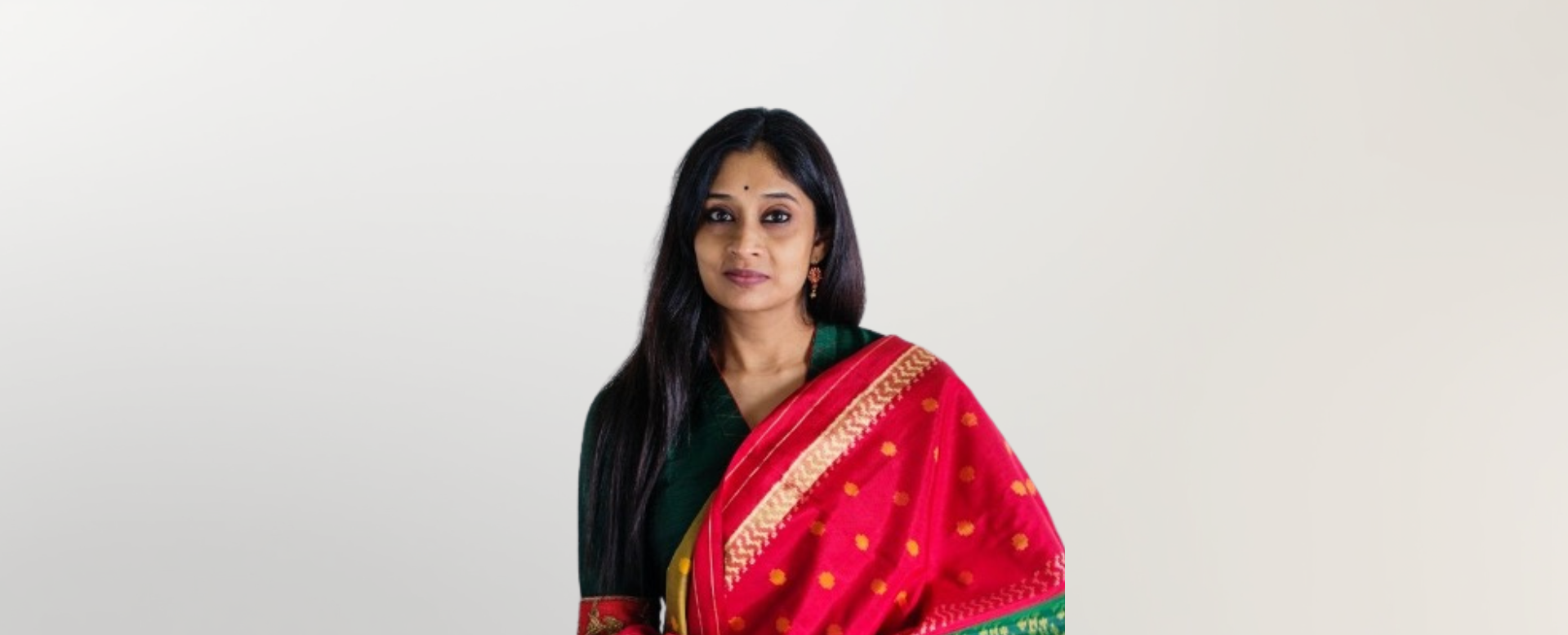
Swathi Kantamani leads the Corporate Social Responsibility (CSR) arm of Natco Pharma Ltd, where she drives large-scale interventions in education, healthcare, and rural livelihoods across Telangana and Andhra Pradesh.
She currently serves on multiple governance and advisory boards across leading Indian institutions. Swathi is a Trustee of Ashoka University, where she supports student scholarships, the Translation Centre, and plays a strategic role on the Campaign Committee focused on scaling the university over the next five years. She is the Board Chair of Teach For India – Hyderabad, and an Advisory Board member at both Accelerate India Philanthropy and the Central Square Foundation, shaping national conversations around philanthropy and foundational learning.