For nearly two decades, the film The Devil Wears Prada has shaped how people imagine powerful women at work. Miranda Priestly became more than a fictional editor. She became a cultural shorthand for authority itself: intimidating, emotionally distant, unreasonably demanding, and simply unapproachable.
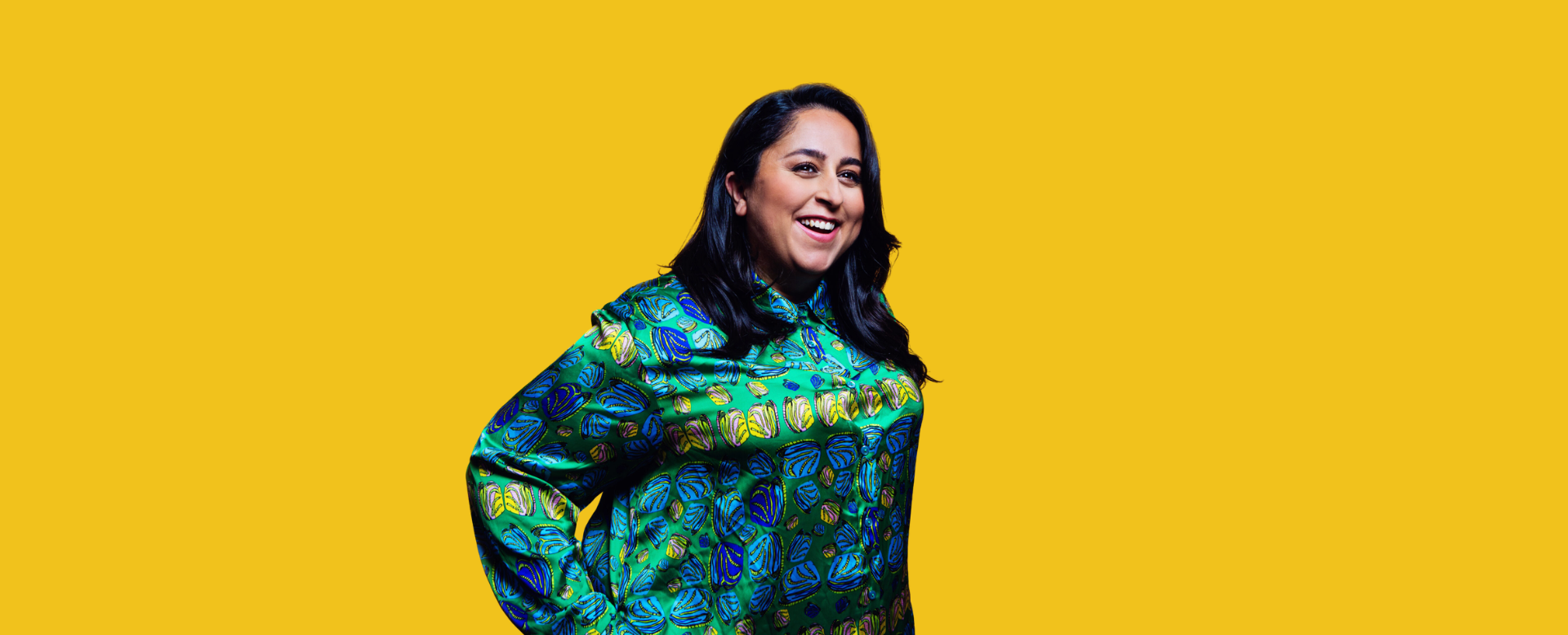
In this final episode of the Women Emerging podcast series inspired by The Devil Wears Prada, Julia Middleton is joined by Maryam Pasha, a storytelling strategist, producer, and co-founder of XEQUALS Studio, whose work spans TEDxLondon, climate storytelling, activism, and social impact.
Slowly, the focus begins to shift away from Miranda herself and towards a much larger question: are women still willing to inherit these older models of power unquestioningly?
Why Miranda Priestly Still Feels Familiar
Part of what keeps The Devil Wears Prada culturally relevant is how recognisable Miranda still feels, most people have encountered some version of her. The brilliant boss whose standards are impossibly high, the woman admired for her excellence but feared for the emotional cost of being around her, the person who seems to command respect partly because nobody feels fully safe around them.
Miranda Priestly also exposes how complicated authority still feels when it appears without softness, warmth, or emotional reassurance. Many workplaces continue to expect women to balance competence with likeability in ways that can feel exhausting to sustain. Miranda refuses that balancing act entirely. For some people, that feels horrifying. For others, strangely liberating.
When Burnout Starts Looking Like Commitment
One of the hardest things to ignore is how easily exhaustion becomes romanticised inside ambitious workplaces. Burnout often arrives disguised as dedication. Overwork becomes proof that the mission matters enough. Emotional depletion starts resembling seriousness. People wear exhaustion almost like evidence of loyalty.
But fear changes the way people think. When workplaces become emotionally volatile, people stop experimenting. They stop speaking honestly. They become more focused on survival than creativity. What initially looks like high performance slowly becomes caution, anxiety, and emotional withdrawal.
This becomes especially dangerous inside mission-driven environments, where harmful behaviour is often excused because the work itself feels too important to challenge. But meaningful work cannot sustain itself indefinitely on emotionally depleted people.
The Loneliness Sitting Underneath Ambition
There is also something deeply lonely underneath many traditional models of success. For years, women have been encouraged to compete quietly with one another while pretending collaboration comes naturally. Validation becomes scarce. Approval becomes addictive. The pressure to constantly prove competence slowly starts consuming emotional space that once belonged to friendships, rest, relationships, or even identity itself. Ambition can begin shrinking life rather than expanding it.
What emerges so clearly is that many women are no longer questioning ambition itself. They are questioning why achievement has so often required emotional isolation alongside it.
Authority and Humanity No Longer Feel Opposite
Older workplace cultures often treated emotional distance as a requirement for authority. To be taken seriously, women were expected to suppress softness, uncertainty, care, or vulnerability. That assumption feels increasingly unstable now.
Emotional intelligence no longer automatically weakens authority. In many workplaces, the ability to create trust, steadiness, openness, and psychological safety has become part of what makes people effective in the first place.
The shift is subtle but important, excellence still matters, standards still matter, accountability still matters. But fear is no longer being accepted quite so unquestioningly as the price of brilliance. Possibly, that is the deeper tension sitting underneath The Devil Wears Prada all these years later. Not whether Miranda Priestly was right or wrong, but whether success itself is beginning to be redefined.
For more reflections on ambition, burnout, emotional safety, authority, and the future of women at work, listen to the full Women Emerging podcast series inspired by The Devil Wears Prada.