There was a moment in my journey of leading when I realized that I was focusing too much on how to lead, and not enough on where I lead from. Working on my Elements Map during the expedition for women in sport invited me to pause and look inward. Instead of adding more skills or strategies, I was asked to reconnect with what already exists within me—my Essence.
At the center of my Elements Map is a circle that holds my Essence Map. It includes the parts of me that feels most true: family, the women who shaped me, my caring nature, collaboration, self-awareness, and my connection to the body. These are not separate from how I lead, they are crucial to it. Leading from this place feels different. It is less about performance, and more about presence.
Motherness as an Essence in my Way of Leading
One of the strongest pieces of Essence is motherness. For me, this is not a role, it shows up in how I hold space for others, how I listen, and how I support growth.
When leading, this has meant creating environments where people feel safe enough to show up as they are. It has also meant learning that holding others does not mean carrying everything for them. This distinction has been an important shift.
Elements that I Choose to Combine
A key insight from my Elements map was that some qualities I value needed to be combined to become more effective in practice.
Collaboration, for example, has always been central to how I work. But I began to notice that collaboration without decision-making can sometimes lead to uncertainty. By combining collaboration with decision-making, I am learning to create spaces where voices are heard, while still providing clarity and direction.
Caring was another element I needed to reframe. Caring comes naturally to me, but I realized that without boundaries, it can become overwhelming. Combining caring with boundaries is helping me lead in a way that is both supportive and sustainable.
I also explored the relationship between empowerment and authority. I used to see them as separate, even conflicting. But through this process, I began to understand that authority can be used in service of empowerment. When I bring these together, I am better able to support others in stepping into their own leadership.
Elements that I am Jettisoning
Equally important was identifying what I needed to jettison.
Letting go of people-pleasing has been a significant step. It has challenged me to be more honest, even when it feels uncomfortable. Moving away from avoiding conflict has allowed me to engage in conversations that matter, with more courage and clarity.
Perhaps the most personal shift has been working through the fear of not being enough. This fear can quietly shape how we lead—holding us back, making us hesitate, or pushing us to overcompensate. Naming it was the first step. Learning to lead alongside it, rather than from it, is an ongoing practice.
Elements I Choose to Lead With
In my Elements Map, I marked collaboration, caring, and empowerment as the elements I want to consciously lead with. These are not just values I believe in, they are practices I return to.
Collaboration reminds me that leading is not something I do alone.
Caring reminds me that how we lead matters as much as what we do.
Empowerment reminds me that leading is also about creating space for others to rise.
Together, these Elements shape the kind of environment I want to create, one that is supportive, connected, and grounded in trust.
An Invitation to Reflect
This process did not give me a fixed definition of how to lead. Instead, it offered me a way to stay in relationship with it.
My Elements are not static. They can be reframed, strengthened, or jettisoned as I grow. But returning to my Essence gives me a sense of grounding—a place to lead from, especially in moments of uncertainty.
It also raised a question I continue to sit with:
What would shift in how we lead if we trusted our Essence as much as we trust external expectations?
For me, the answer is still unfolding. But I know that when I lead from within, from a place of awareness, care, and intention—my leading feels more aligned, more human, and more real.
About the Author
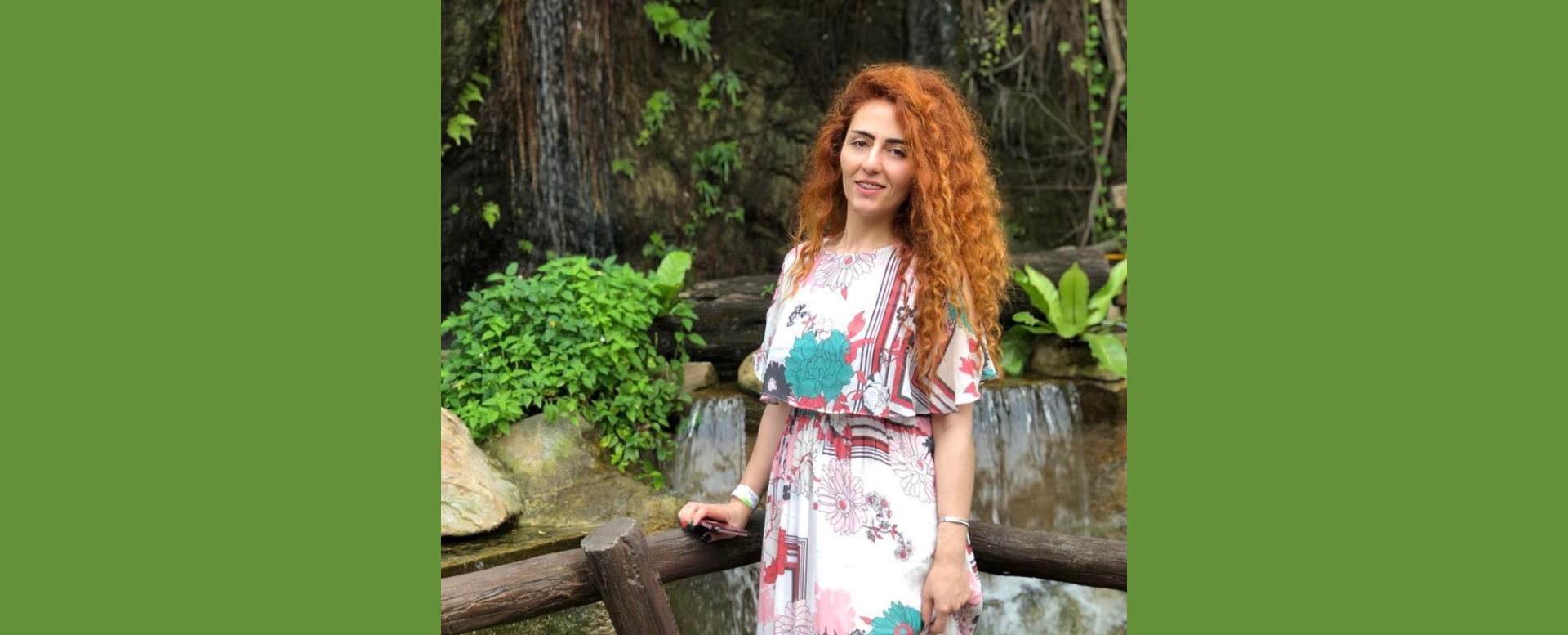
Shilan Ali is a humanitarian professional from Qamishly, Syria, holding a BA in English Literature from Damascus University (2015). She has worked in the humanitarian sector since 2016, with extensive experience across Iraq and North-East Syria (NES). Shilan has collaborated with international and national organizations on emergency response, early recovery, and sustainable development programs. Her expertise includes gender-based violence prevention, adolescent girls’ empowerment, livelihoods, peacebuilding, social cohesion, and food security. She is committed to supporting vulnerable communities through inclusive, community-centered approaches that address immediate needs while promoting long-term resilience and sustainable impact.