
Burnout is no longer something that affects a few individuals. It has become widespread across industries, geographies, and generations. What was once seen as a personal issue is now understood as something shaped by the environments people work in.
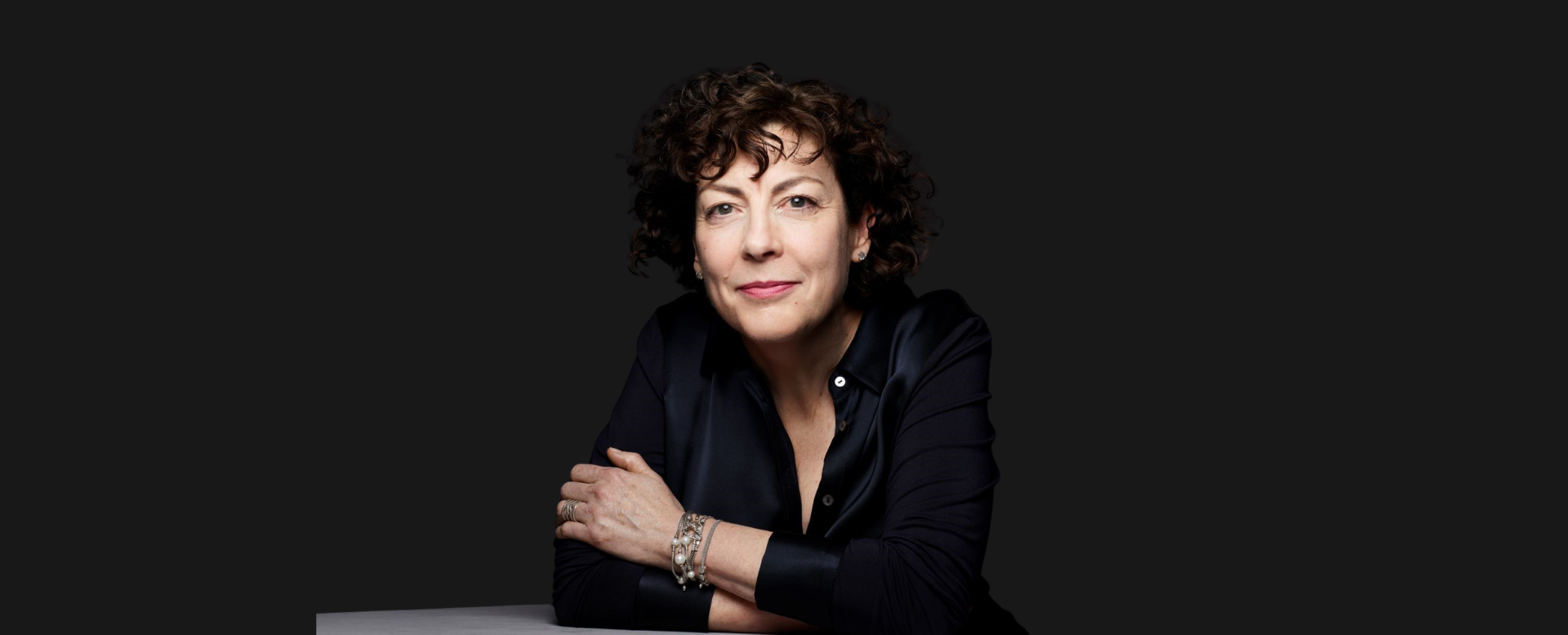
In this episode, Amanda, Former global talent leader for the Consulting practice at EY, reflects on how psychological safety plays a critical role in preventing burnout. When people feel safe to speak, question, and contribute, stress becomes more manageable. When that safety is missing, even manageable work can feel overwhelming.
Why Psychological Safety Matters in Preventing Burnout
Psychological safety is often misunderstood as trust. The two are related, but they are not the same.
Trust tends to exist between individuals. Psychological safety is about how it feels to be part of a group. It is the shared belief that it is safe to take interpersonal risks. This includes speaking up, asking questions, admitting uncertainty, or challenging ideas without fear of negative consequences.
Burnout is closely linked to environments where this safety is missing.
Chronic stress does not come only from workload. It can also come from:
- a lack of control or autonomy
- unclear expectations
- feeling excluded or unheard
- uncertainty about the future
When people feel they have no voice or no control, stress builds over time. Without an outlet, that stress can turn into burnout.
Psychological safety helps reduce this by creating conditions where people can express concerns early, ask for help, and share ideas. It shifts burnout from something individuals must manage alone to something that can be addressed collectively.
Creating Psychological Safety in Teams
Creating psychological safety begins with recognising that stability today does not mean removing uncertainty.
Work and life are constantly changing. Instead of trying to eliminate that uncertainty, the focus shifts to creating environments where people can navigate it together.
Amanda describes this as creating an “island of stability”. Not a place where everything is predictable, but a space where people feel supported even when things are unclear.
This involves:
- Making it clear that everyone belongs
- Encouraging questions and learning
- Valuing contributions from all voices
- Allowing challenges to existing ideas
When these conditions exist, people begin to relate differently to mistakes and uncertainty. Trying something new becomes part of the process rather than something to avoid.
Another important shift is moving away from the idea of always returning to how things were before. Instead of trying to “bounce back”, growth comes from adapting and improving through experience.
What Amanda Leaves Us Thinking About
- Create space for people to speak openly: Psychological safety begins when people feel comfortable sharing ideas, concerns, and questions without hesitation.
- Recognise early signs of burnout in teams: Withdrawal, silence, or reduced participation can signal that something is not working beneath the surface.
- Understand that stress is not only about workload: Lack of clarity, control, or inclusion can be just as exhausting as high volumes of work.
- Make room for learning and mistakes: Progress often comes from trying new approaches. Creating space for this reduces fear and encourages contribution.
- Pay attention to how people experience interactions: Tone, body language, and presence influence whether people feel safe to engage.
- Keep checking and adjusting the environment: Psychological safety is not created once. It requires continuous attention, reflection, and adaptation.
Psychological safety shapes how people experience work every day. When it is present, teams can navigate uncertainty, manage stress, and contribute more fully. When it is missing, even small challenges can feel overwhelming.
Understanding how to create and sustain that safety can change how burnout shows up across teams. To explore these ideas further, listen to the full conversation with Amanda on the Women Emerging podcast.