How do we become better at leading? This question often comes to mind when we begin our journeys as leaders. When our 23-member cohort of global leaders in higher education embarked on this expedition in November of 2025, I knew this journey would be a hub for shared global knowledge and expertise, to build, brick by brick, a bridge of better leadership practices and do the inner work of leadership.
The First Step to Leading: Understanding Yourself
In our first sessions, we held mind-provoking discussions and explorations of the intricacies that make up our essence: core values shaping who we are and how we lead. The first step to becoming a better leader is to understand yourself, how, and why you lead the way you do.
The journey to understanding the self led to reflections on how these characteristics show up when we become practicing leaders. We tackled elements regarding our legitimacy to lead, how to reframe internalized feelings of being an imposter in places of power, and jettisoned the concept that we need to be good girls and follow a societal-imposed rule book on how women leaders should act.
From Theory to Practice: Implement Change in Our Leading
There’s an expression in my mother tongue that I love. It conveys a practical but also artistic way to say you will get something accomplished. Botar a mão na massa roughly translates from Portuguese to “putting your hands in the dough.” That is exactly what it takes to become a better leader: being proactive and ready for the learning process to be wonderfully messy. In our most recent session, we came up with a blueprint to transform our leading practices:
- Clear is Kind, Unclear is Unkind: Effective leadership requires clarity. Miscommunications happen, most naturally, not purposefully, and can create unclear expectations of jobs, duties, and team efforts. Setting well-defined expectations and deadlines goes hand-in-hand with having open communication with your team.
- Discard Impersonal Leadership: The status quo dictates that leadership is knives sharpened, cut to the chase. This old-school thought process seldom acknowledges that behind every collaboration, every conversation, is a person – not a cog in a wheel. Leading, and not just managing, means taking those three to five minutes before a meeting to know your team outside of what skills they possess. Knowing the team you are working with is vital to creating a symbiotic environment. Toss the old manual that tells you that these efforts are a waste of time, when in fact they are an investment. Bring humanity to leading, and empowerment will come as a result.
- Delegation is Cultivating New Leaders: As a leader, we can often forget that we are not only responsible for present tasks but have a responsibility to cultivate an environment where future leaders can flourish. Trust is an essential aspect of any professional or personal environment, and delegation is a significant indicator of that. A lack of trust can be catastrophic to any team dynamic.
- Listening Speaks Louder Than Words: Being the most prominent voice in the room does not equate to being the best leader. When leaders are not open to listening just as much as they expect their team to listen, the environment becomes monopolized with one way of thought. Taking a step back and letting others digest, freely discuss, and contribute will bring new ideas, better teamwork, and more diversity of thought.
- Boundary-setting is the First Agenda Item: Boundaries act like the foundation of a house. They are necessary for any professional environment and are key to laying out part of the expectations, responsibilities, and structure of a team. If boundaries are obliquely set, addressing conflicts within the team dynamics becomes harder. Issues can be swept under the rug, and situations may escalate in proportion if not addressed.
- People Pleasing is the Enemy of Leading: People pleasing needs to be jettisoned from leadership practices. Similarly to setting boundaries, discarding the need to appease all when leading ensures that you can lead without barriers, fully expressing your energy and ideas as a leader.
The Work Continues, Together as Explorers on the expedition for Students in Higher education
Our expedition is far from over. In fact, even after it is, it won’t be. One of the main things we have uncovered from this journey is that learning as a leader never ends. We were brought together from every corner of our world to grow and learn together, and that is a beautiful advantage of Women Emerging and this expedition. There is much more to learn, much more to explore, together.
About the Author:
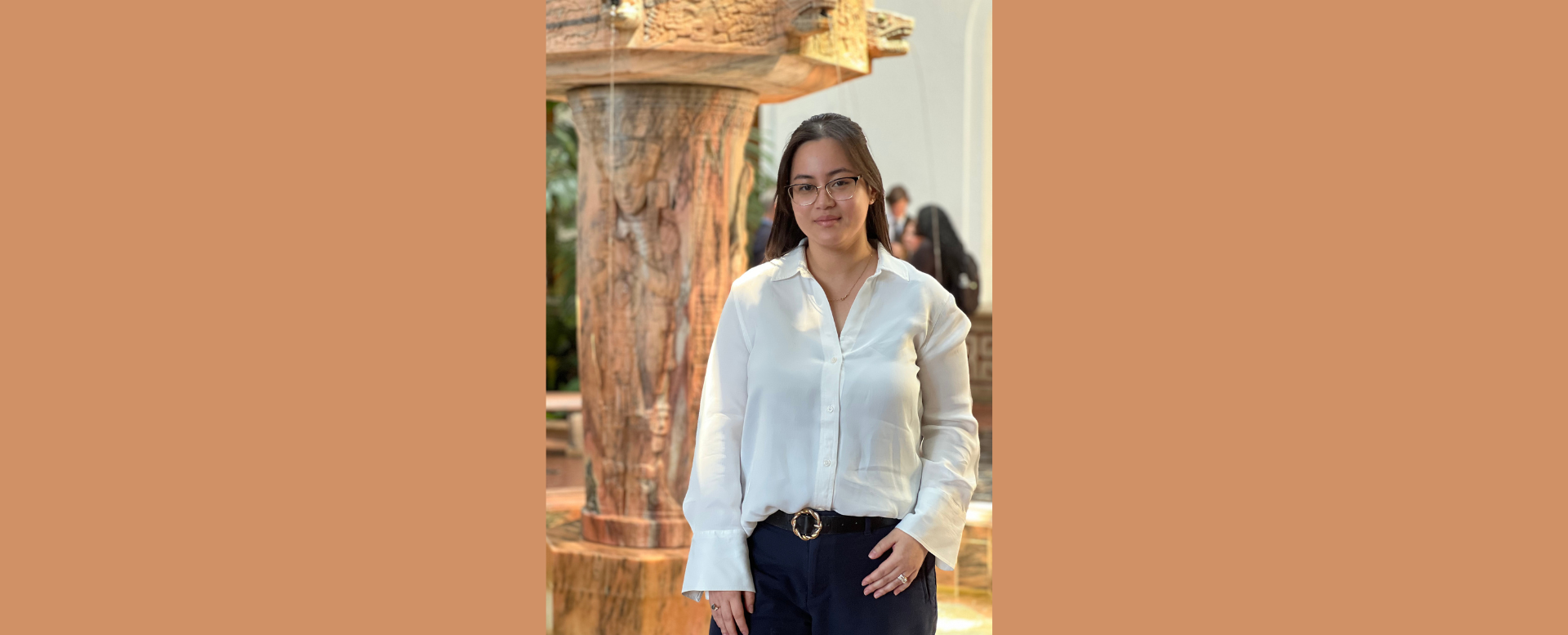
Maria Luiza Takahashi is a Master of Public Administration candidate at Shippensburg University of Pennsylvania, United States. She was born and raised in Sweden to a Brazilian-Japanese family and spent her formative years moving between Brazil, Sweden, and France until moving to the United States to pursue higher education. Her global and dynamic upbringing sparked a fascination with studying the intersection of culture, politics, leadership, and education. She holds degrees in political science, international affairs, and anthropology, and was one of 23 young global leaders selected to participate in the Women Emerging Expedition for Women in Higher Education.






One Comment
I love “Discard impersonal leadership” Such a proactive way to rethink how we lead.
So often, leadership is still framed as something detached, transactional, and efficiency-driven, where people are reduced to roles rather than seen in their fullness. What this article captures so powerfully is that leading is always relational. Taking those few moments to truly see the person you are working with is not an “extra”, it is very foundational to how trust, fairness, and collaboration are built. Thank you Maria.